
Can Roof Trusses Be Modified? Expert Insights
- Tim Morgen
- Sep 26
- 3 min read
Roof trusses are essential components in modern construction, providing structural support and shaping the roof. But what happens when you need to change or adapt them? Modifying roof trusses can be a complex task, but with the right knowledge and approach, it is possible to make adjustments safely and effectively.
Understanding the Basics of Modifying Roof Trusses
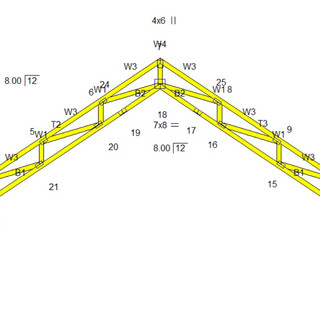
Before diving into modifications, it is crucial to understand what roof trusses are and how they function. Roof trusses are pre-engineered wooden or metal frameworks designed to support the roof load. They distribute weight evenly to the walls and foundation, ensuring stability.
When considering modifying roof trusses, keep in mind:
Structural Integrity: Trusses are designed to work as a system. Altering one part can affect the entire structure.
Load Distribution: Changes can impact how weight is carried, potentially causing weak points.
Building Codes: Modifications must comply with local regulations and safety standards.
For example, if you want to add a skylight or create an open ceiling space, you may need to cut or remove parts of the truss. This requires careful planning and reinforcement to maintain strength.

Key Considerations When Modifying Roof Trusses
When planning to modify roof trusses, several factors should be evaluated to ensure safety and effectiveness:
1. Consult a Structural Engineer
Always involve a professional structural engineer before making any changes. They can assess the truss design and recommend safe modifications or reinforcements.
2. Understand the Type of Truss
Different truss designs (e.g., king post, queen post, scissors) have unique load paths. Knowing the type helps determine which parts can be altered.
3. Use Proper Materials and Techniques
If modifications involve cutting or adding components, use materials that match or exceed the original specifications. Reinforce joints with metal plates or additional framing as needed.
4. Obtain Necessary Permits
Local building authorities may require permits for structural changes. Ensure all paperwork is completed to avoid legal issues.
5. Plan for Temporary Support
During modification, temporary bracing or supports may be necessary to prevent collapse or damage.
By following these steps, you can minimize risks and ensure your roof remains safe and durable.

Practical Examples of Roof Truss Modifications
Here are some common scenarios where roof truss modifications might be needed, along with practical advice:
Adding Dormers or Skylights
Dormers and skylights enhance natural light and space but require cutting into trusses. To do this safely:
Identify non-critical members that can be removed.
Reinforce cut areas with additional framing or steel plates.
Ensure load paths are redirected properly.
Creating Open Ceiling Spaces
Open ceilings are popular for aesthetic reasons but may require removing bottom chords of trusses. Solutions include:
Installing engineered beams to carry the load.
Using scissor trusses designed for open spaces.
Consulting professionals for custom truss designs.
Extending Roof Overhangs
Extending overhangs can improve weather protection but may require lengthening trusses or adding support brackets. Ensure:
Extensions do not overload the truss.
Proper anchoring to the main structure.
These examples show that while modifications are possible, they require careful design and execution.
How to Know if Can Roof Trusses Be Modified
A common question is can roof trusses be modified? The answer depends on several factors including the truss design, the extent of modification, and the building’s structural requirements.
Professional services like those offered at Censpace specialize in evaluating and modifying roof trusses safely. They provide:
Detailed structural analysis
Custom engineering solutions
Permitting and compliance assistance
Skilled installation and reinforcement
If you are considering modifying your roof trusses, consulting experts ensures the job is done right without compromising safety.

Tips for Maintaining Roof Trusses After Modification
Once modifications are complete, ongoing maintenance is essential to preserve the integrity of your roof structure. Here are some tips:
Regular Inspections: Check for signs of stress, cracks, or sagging.
Moisture Control: Keep the attic or roof space dry to prevent wood rot or corrosion.
Pest Prevention: Protect wooden trusses from termites or other pests.
Load Management: Avoid adding heavy equipment or storage on the roof without professional advice.
By following these recommendations, you can extend the lifespan of your modified roof trusses and avoid costly repairs.
Modifying roof trusses is a task that requires careful planning, expert input, and adherence to safety standards. Whether you want to add architectural features or improve your home’s functionality, understanding the process and working with professionals will help you achieve your goals confidently.


Comments